
Colombia Elections: De la Espriella Enters Runoff with an Edge over Cepeda
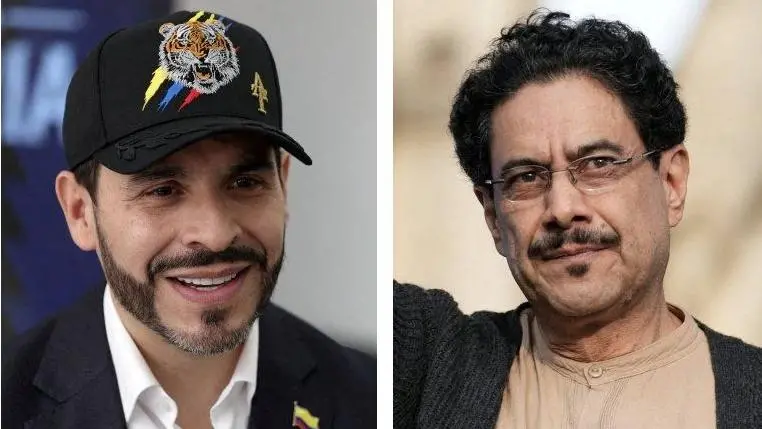
On June 21, Colombia will elect its president and vice president for the 2026–2030 term in a second-round runoff election. The race pits two candidates representing deeply different visions for the country: Abelardo de la Espriella, a leading figure of the radical right and head of the Defenders of the Homeland party, and Iván Cepeda, the ruling coalition candidate from the Historic Pact and an ally of President Gustavo Petro.
According to the latest polls, De la Espriella enters the runoff as the frontrunner after securing 43.7% of the vote in the first round and subsequently widening his lead in voter preferences. His campaign combines proposals aimed at reducing the size of the state, maintaining fiscal discipline, and strengthening security policies, drawing inspiration from leaders such as Donald Trump, Nayib Bukele, and Javier Milei.
Cepeda, meanwhile, proposes deepening the reforms advanced by the current administration, with an emphasis on expanding social rights, implementing the peace agreements, and increasing the state’s role in the economy. The ruling coalition candidate also advocates for an accelerated energy transition and an agenda focused on strengthening social protection.
Two Competing Models
The differences between the two candidates extend across key issues shaping the country’s future. On economic policy, De la Espriella promotes a free-market agenda focused on reducing the fiscal deficit and simplifying the tax system. Cepeda, by contrast, supports a progressive tax reform and greater public investment to strengthen the domestic market and social policies.
Significant differences also emerge on environmental and security issues. While the ruling coalition candidate supports a permanent ban on fracking and the continuation of the government’s “Total Peace” strategy, De la Espriella proposes expanding hydrocarbon exploration, easing environmental regulations, and strengthening military and police capabilities to combat organized crime.
In foreign policy, Cepeda prioritizes cooperation with progressive governments across the region and the diversification of international partnerships. De la Espriella, for his part, advocates for a strategic alignment with the United States and Israel and has received explicit endorsements from figures such as Donald Trump, Javier Milei, and Giorgia Meloni.
Turnout and Governability
The first round recorded a voter turnout of 57.8%, the highest level seen in Colombia in recent years. In a context of intense political polarization and limited room to attract voters who have not yet made up their minds, citizen mobilization is expected to be a decisive factor in determining the outcome.
Whoever is elected will take office on August 7 and will face not only a divided society but also the challenge of building consensus in a fragmented Congress in order to ensure governability over the next four years.